What is biophilia?
Biophilia is rooted in a simple idea — people feel better around nature.
The term, popularised by biologist Edward O. Wilson, recognises that humans have an innate psychological connection to the natural world. When applied to workplace design, it’s about shaping offices that support that connection through daylight, greenery, natural materials and sensory experiences that reduce stress and improve comfort.
In the context of workplace design, biophilia refers to the practice of incorporating features such as natural light, planting, organic materials and views of the outdoors to create spaces that feel more comfortable, calming and mentally restorative. Far from being a passing design trend, biophilic principles are increasingly linked to measurable improvements in wellbeing, focus and overall workplace experience.
What does the data say?
Research continues to show that biophilic design is far more than a feel-good concept. A widely cited global study by Human Spaces found that offices incorporating natural elements were associated with higher levels of wellbeing, productivity and creativity. Employees reported around 15% higher wellbeing, 6% greater productivity and 15% more creative thinking compared with those working in environments lacking natural features. The study also revealed that roughly a third of workers said office design would influence their decision to work somewhere.
Yet, more recent findings suggest many workplaces still fall short in this area. Surveys have indicated that over half of workers have no plants in their office, while a significant proportion report feeling stressed within their workspace. Lack of greenery and visual stimulation are frequently mentioned factors.
Beyond wellbeing and perception, research has also explored cognitive impacts. Work by Terrapin Bright Green suggested that individuals working in environments with natural elements performed up to 61% better on cognitive function tests. These findings point towards potential gains in areas such as focus, mental clarity and decision-making.
There is also evidence linking biophilic features with reduced absenteeism. Insights from the World Green Building Council have highlighted associations between healthier workplace environments and lower levels of sick leave, with some studies suggesting reductions in absence rates of around 10%.
Importantly, biophilic design extends well beyond the introduction of plants. Access to daylight, views of nature, natural materials and organic textures all play a role. Studies continue to indicate that exposure to natural light and visual connection to greenery correlate with improved job satisfaction, engagement and overall workplace experience, including within open-plan settings.

Humans and nature
Wilson’s claim that humans have an inherent affinity to the natural world now seems like common sense. Visit any office, and chances are that a number of desks will be graced by the strappy leaves of spider plants. It’s an attempt, if a modest one, to connect with nature. And it’s this connection that needs to be increased and biophilic design needs to be a standard in spaces.
There are a multitude of studies in addition to the Human Spaces report, that demonstrate how truly green environments can positively impact people’s behaviour and, in the case of workers, performance.
Interaction’s work in the biophilic design space
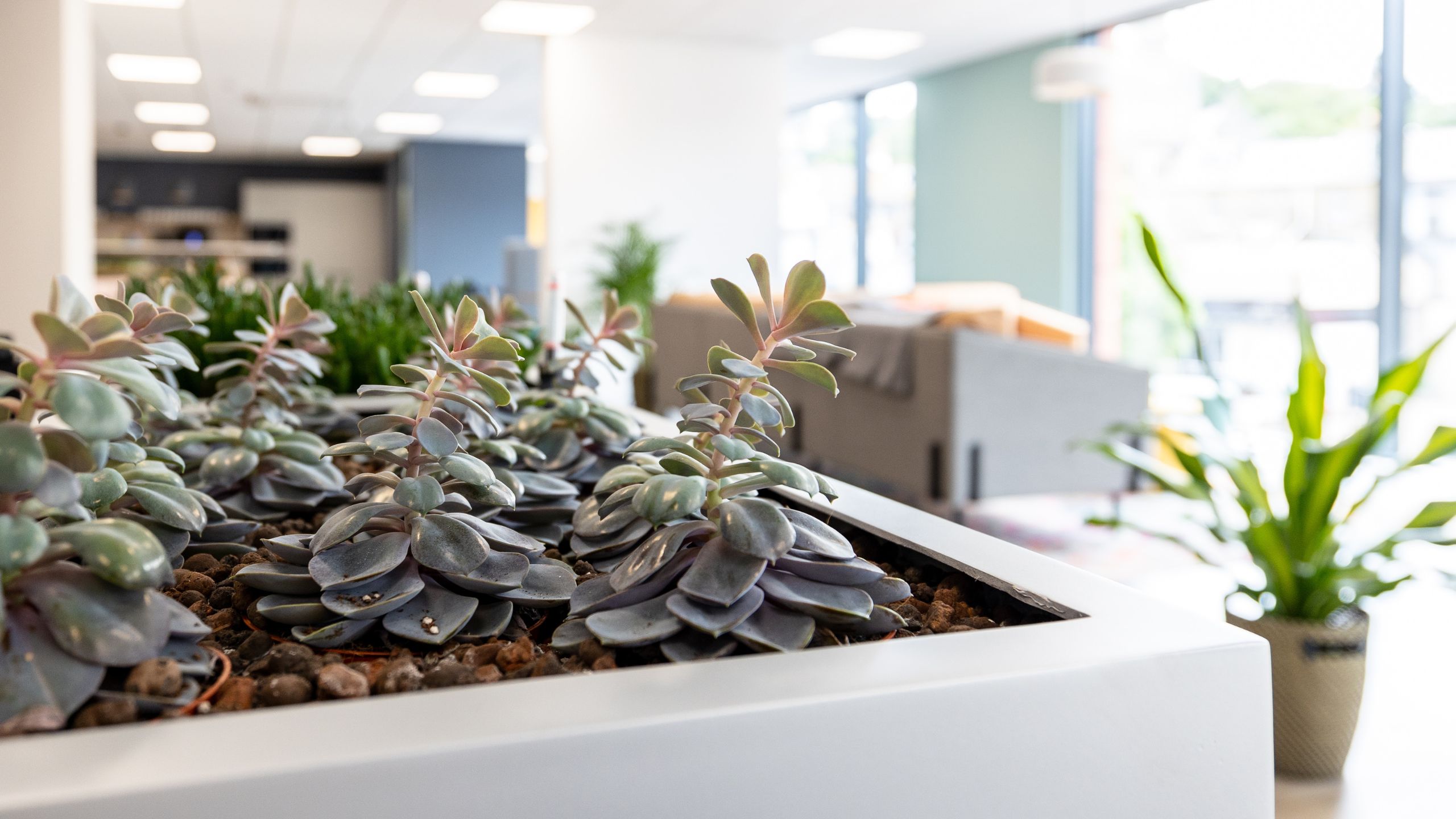
Osborne Clarke’s new Bristol office saw us deliver our largest ever biophilia package. With a focus on employee wellbeing, our biophilia strategy sat at the heart of the project, combining indoor and outdoor gardens with uninterrupted views and sun paths. Over 1,000 hypoallergenic real plants (including a living wall and indoor garden) improve air quality and regulate temperatures.
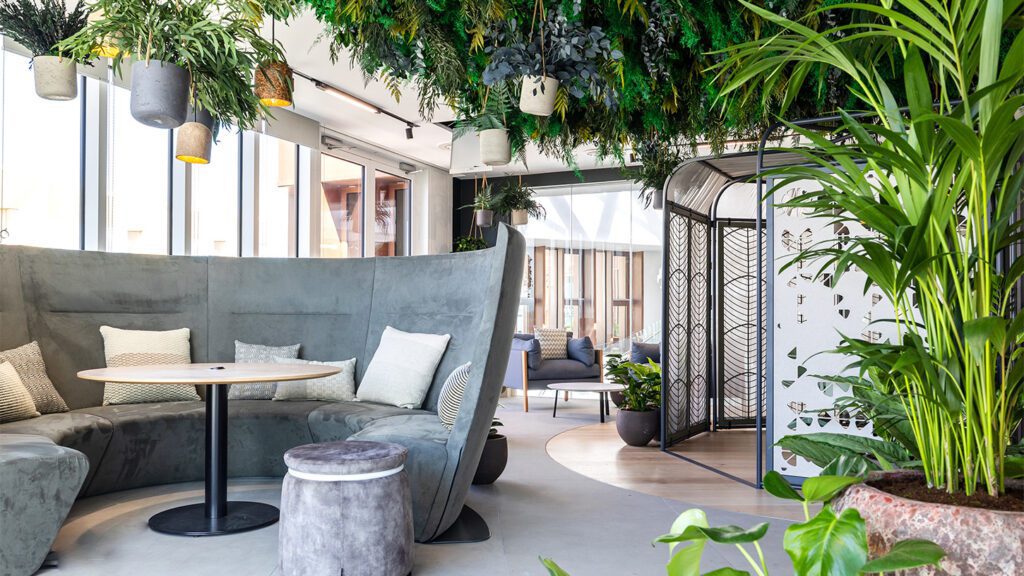
The Osborne Clarke plant pots are 100% recycled, made locally, or made of biodegradable coconut. The indoor garden offers access to nature all through the year, and on warmer days, the roof terrace is the perfect solace, exemplifying urban greening.
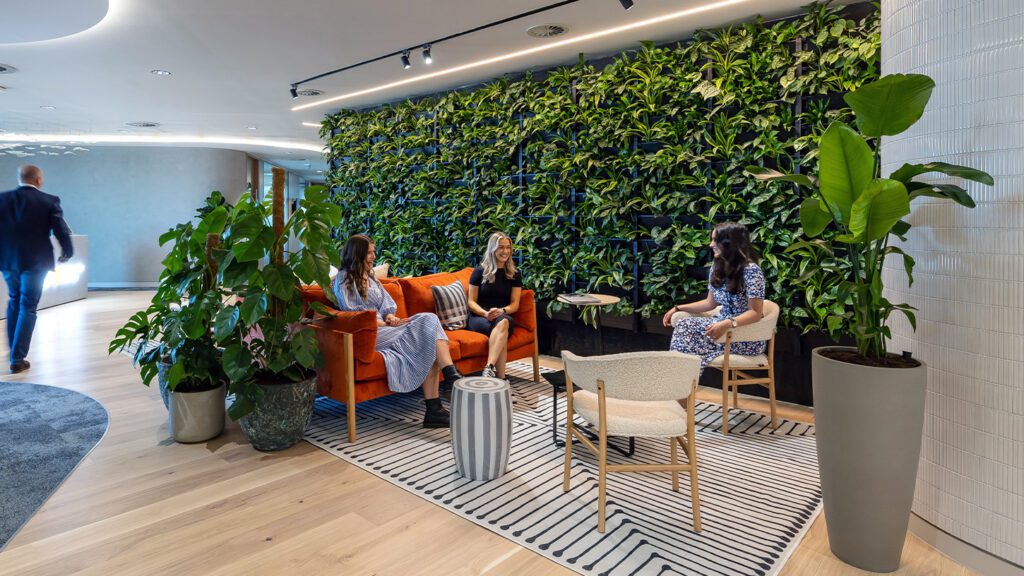
What does a biophilic workspace look like?
Logic dictates that if plant life is to flourish, natural light is required too. And sure enough, there’s a strong body of research that demonstrates that high levels of natural light are good for people too. In other words, create an office where plants can thrive and the chances are that the people will be happy too.
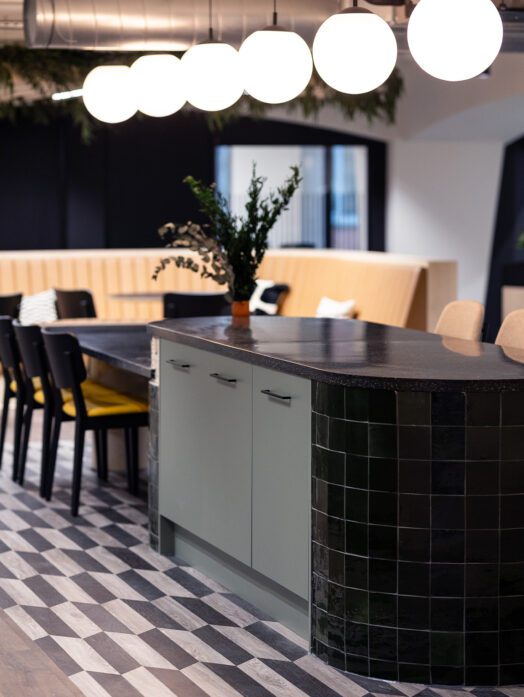
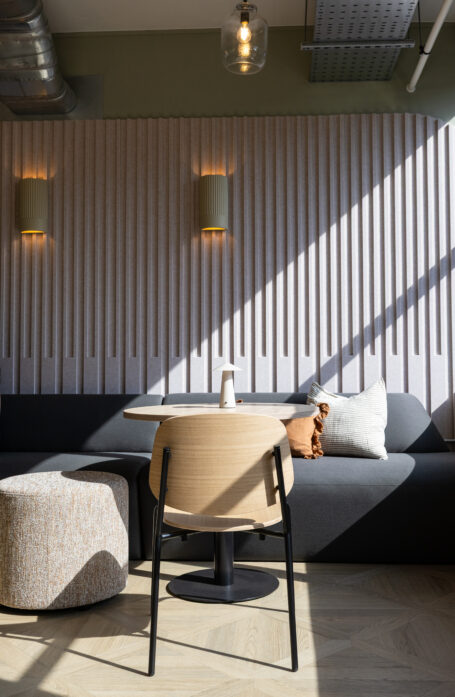
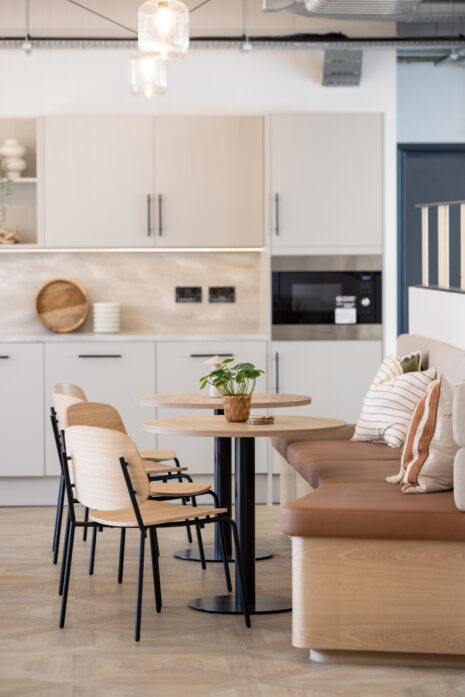
As well as good natural light levels, an office design that incorporates elements of the natural world might also have views on to nature, natural textures, organic materials and naturalistic colours plus recuperation spaces to restore mental and physical energy.
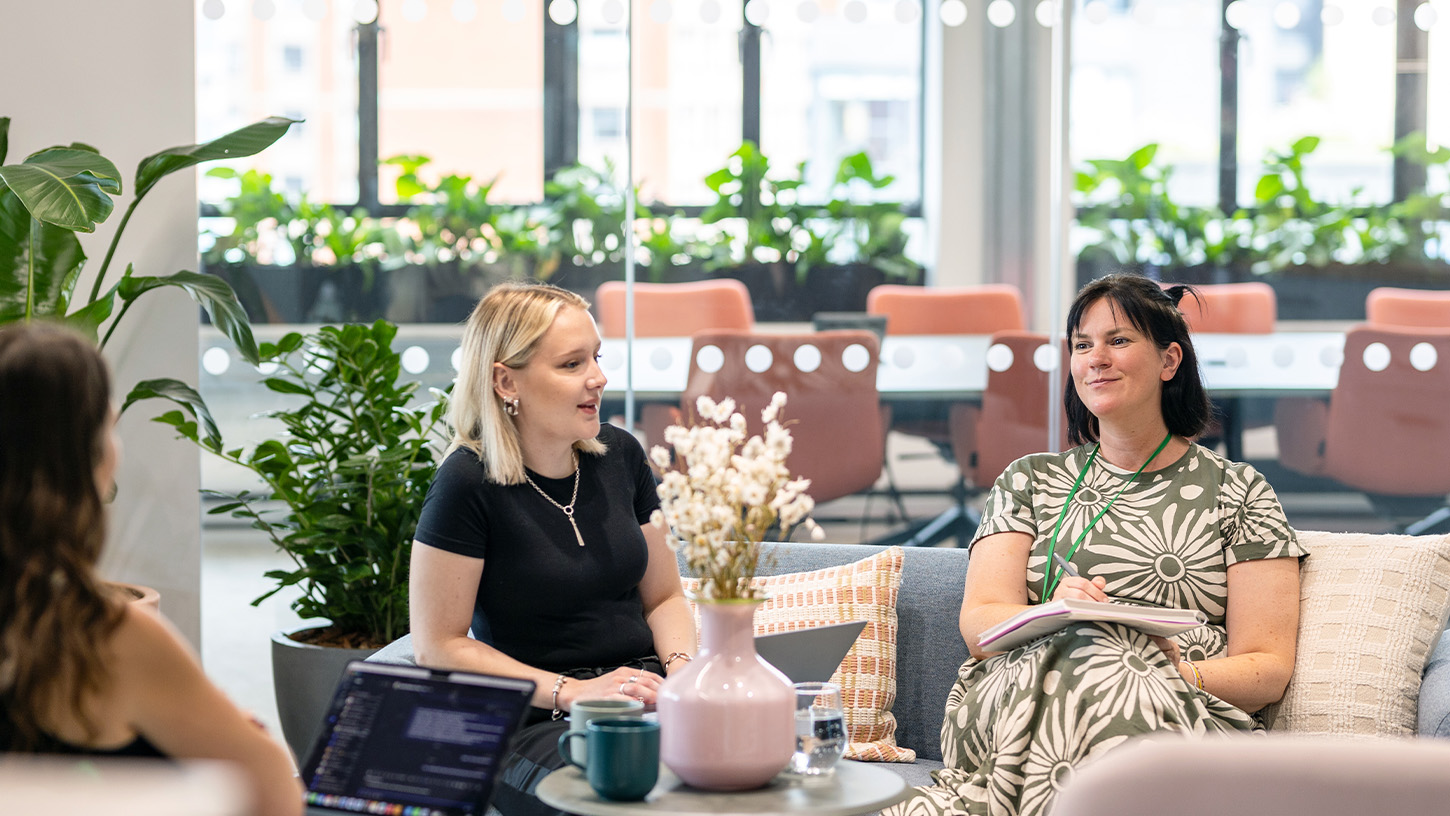
Biophilia adds life to Ghyston’s office.
Biophilic design applied
Biophilic design tends to have the greatest impact when it supports how people actually use a space. In Ghyston’s Bristol office, planting and moss artworks are integrated throughout, creating a strong visual connection to nature. The most memorable feature, however, sits in the kitchen, where an indoor herb garden lines the windows. It is regularly used by the team during their shared lunches, turning biophilia into something practical and interactive rather than purely decorative, while reinforcing a long-standing part of the company’s culture.
Ecosurety’s workspace explores biophilic design at a broader spatial level. The office is structured around a nature-inspired ‘biome’ concept, organised into three distinct zones: Rainforest, Marine and Savannah. Each environment is shaped around different tasks and working styles, from the greenery and stimulation of the Rainforest, to the calmer tones of the Marine, and the quieter, more restorative character of the Savannah.
These themes carry through into the materiality, with recycled and natural finishes helping define each zone. Planting, textures and colour cues create clear visual identities, while the differentiated settings give employees greater choice over how and where they work throughout the day.
Together, the projects demonstrate that biophilic design is not simply about introducing plants. When applied thoughtfully, it can influence behaviour, strengthen workplace rituals and shape how an environment feels to occupy.
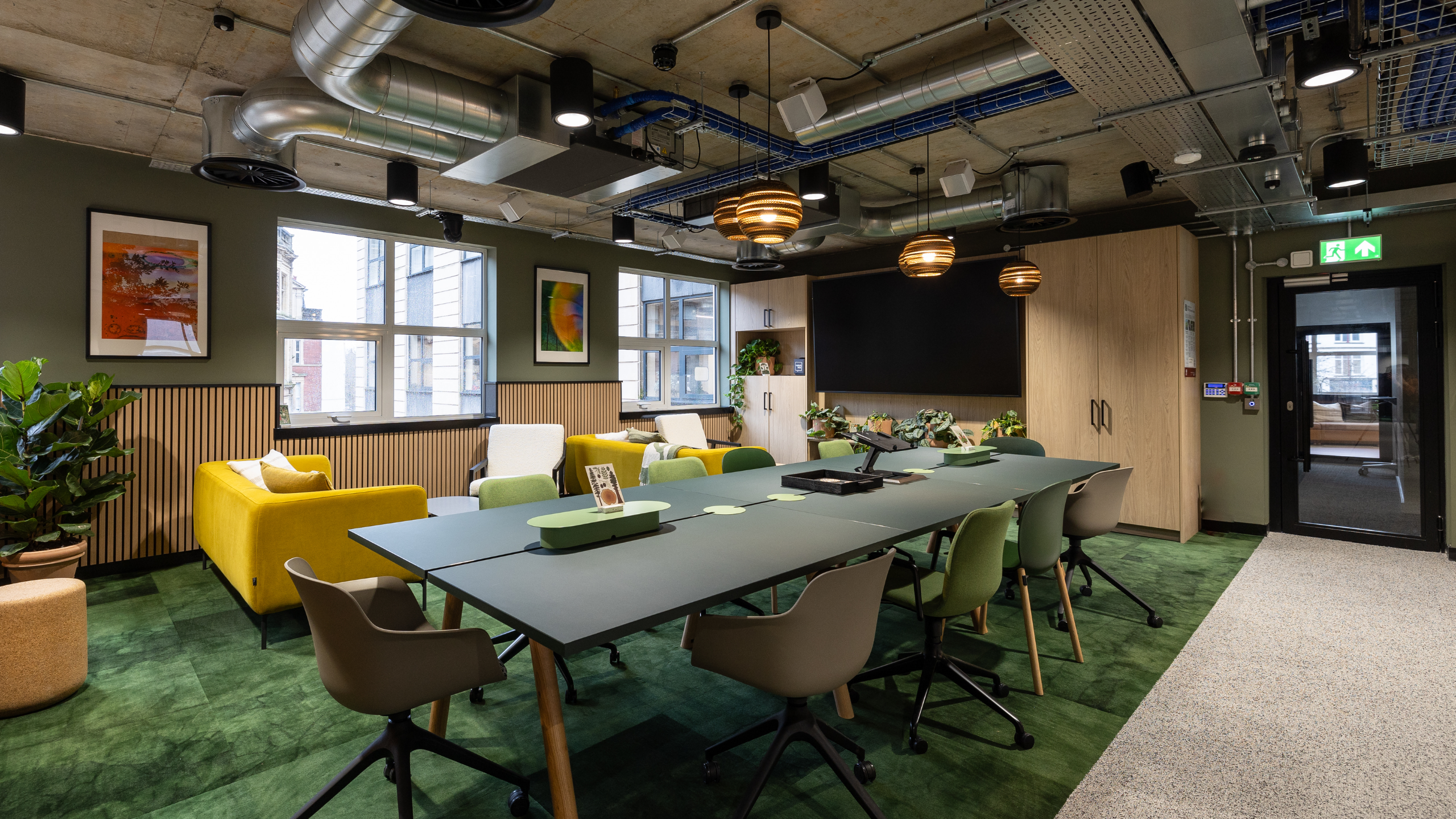
Biophilic design is more than just a trend
Biophilic design has firmly moved beyond the realm of workplace fashion. As expectations around wellbeing, experience and performance continue to rise, the environments people work in carry more weight than ever.
Businesses are increasingly recognising that offices are not simply places to house teams, but tools that influence focus, energy, collaboration and retention. Spaces that feel comfortable, calming and connected to natural cues consistently outperform those that do not.
For organisations investing in their workplace, biophilia is no longer an aesthetic choice. It is a practical one.
If you are rethinking your space, we would love to help you explore what a more human-centred workplace could look like. Get in touch with our team today.