The commercial property market in 2026 – and why it feels different
After several years of disruption, the UK office market is no longer in freefall, but it isn’t forgiving either.
As we begin 2026, one thing is clear: the market has reset around quality, speed and relevance. Assets that adapt are letting faster and at higher rents. Those that don’t are facing longer voids, deeper incentives and an uncomfortable question about obsolescence.
Here’s how the commercial property market actually looks right now – and what that means for landlords and owners planning their next move.
1. Vacancy is a quality problem, not a demand problem
One of the biggest shifts we’re seeing is offices designed as mini campuses rather than mono-function Headline vacancy figures remain stubbornly high in many UK cities. In London, office vacancy is still hovering around levels not seen for two decades.
But that number hides a sharper truth: secondary and inflexible stock is carrying the pain.
Occupiers are leasing 15–30% less space than pre-pandemic, but they’re paying more per square foot for buildings that genuinely work for their people. Grade A and best-in-class refurbished B+ space continues to outperform, while tired offices sit empty for longer. The takeaway for owners is simple: the market has shifted. Value now comes from relevance – buildings that work for tenants, rather than just filling a floorplate.
Want the fuller picture?
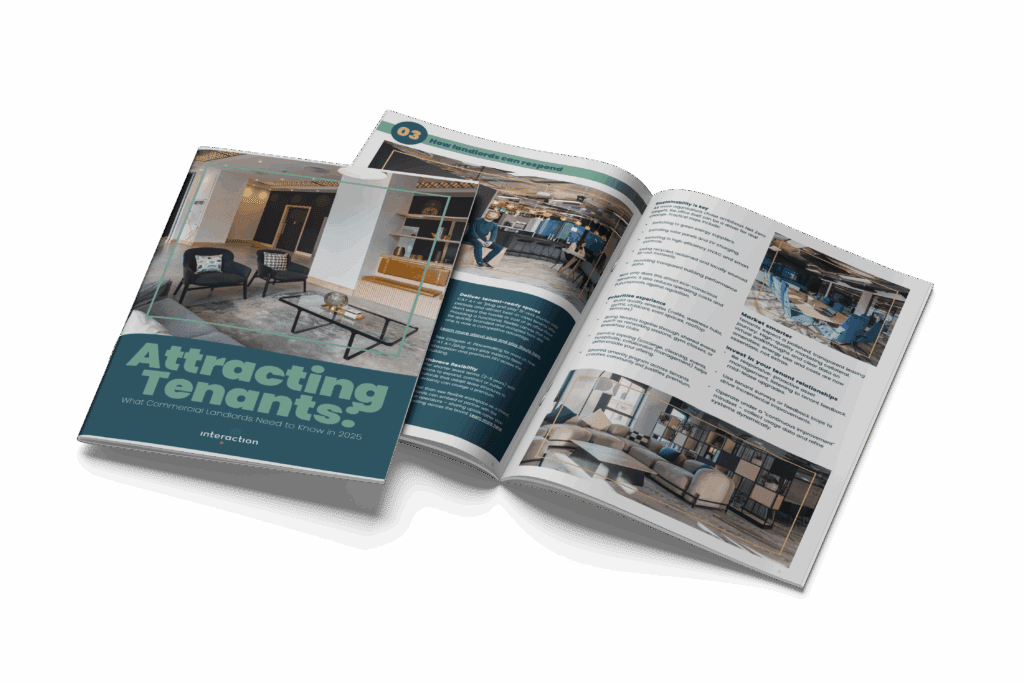
This blog is a condensed version of our latest whitepaper, Attracting Tenants: What Commercial Landlords Need to Know, which takes a practical look at how landlords can reposition assets to attract tenants and lease faster.
2. Flight to quality is now flight to readiness
“Flight to quality” used to mean better amenities, nicer finishes and a strong EPC rating. Today, it’s more practical: how quickly can a tenant move in and start working?
Many occupiers now want:
- Shorter leases (often 2–5 years)
- Cost certainty
- Minimal upfront capex
- Space that works from day one
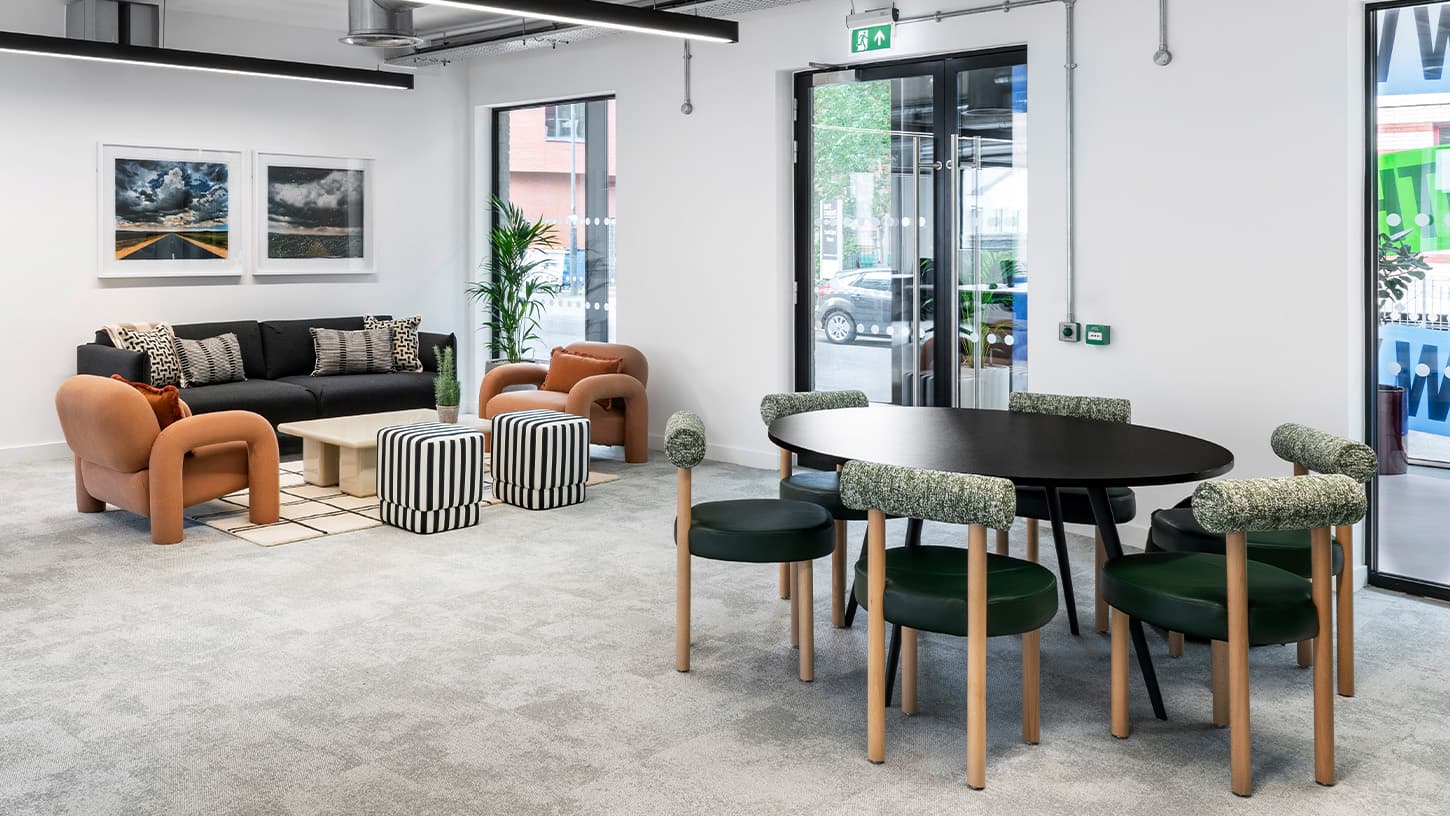
That’s why CAT A+ and plug-and-play floors are now expected – particularly sub-5,000 sq ft suites. Shorter leases and managed solutions are also key; occupiers want the ability to scale up or down without being tied to 10-year commitments.
Take CEG’s Crescent in Bristol, finished in 2025. The building combines coworking space with five ready-to-let suites ranging from 2,000–4,000 sqft, all designed so tenants can move in and start immediately – right down to the mugs in the cupboards. By PC, nearly a quarter of the suites were already let, and within three months occupancy hit 40%, proving the demand for plug-and-play space. After this success, Interaction has since delivered three more ready-to-let suites, showcasing the continued demand for such spaces.
Landlords offering tenant-ready space are seeing:
- Faster leasing velocity
- Reduced rent-free periods
- Stronger enquiry across the rest of the building
The data is all there: plug-and-play space let faster and supports 12–20% rent premiums. On the flip side, buildings left for tenants to fit out themselves often stay empty longer than planned.
3. Sustainability matters – but it’s part of the bigger picture
By 2030, all commercial buildings need to meet EPC B or better, and that deadline is influencing investment decisions now.
Energy-inefficient assets face:
- Rising retrofit costs
- Increased regulatory risk
- Diminishing liquidity and value
But ESG alone isn’t enough. The focus is shifting to performance-led retrofit – balancing carbon, running costs, wellbeing, and tenant appeal. Buildings that combine:
- Genuine energy performance
- Flexible layouts
- Strong amenities
- Clear sustainability credentials
…are consistently achieving higher rents and better retention than those relying on certification alone. In fact, ESG-rated “Excellent” buildings earn 4.7% higher rents, and “Outstanding” buildings 12.3%.
4. Placemaking now drives success
Hybrid working is no longer the unknown variable it once was. Occupancy patterns have stabilised, but what tenants expect from an office hasn’t.
Occupiers now want offices that:
- Earn the commute
- Support collaboration, focus and wellbeing
- Reinforce culture and brand
- Feel better than working from home
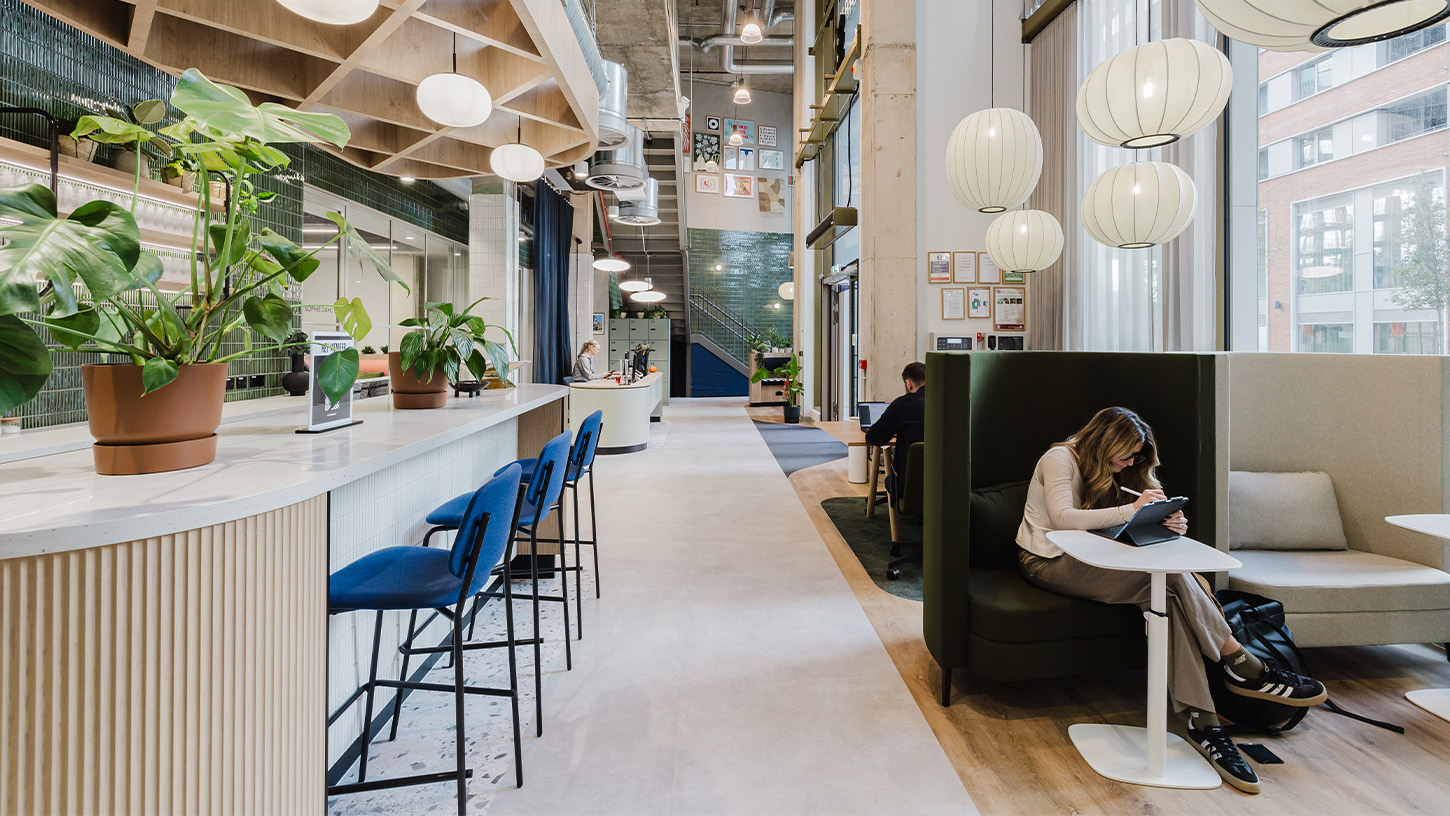
This puts pressure on landlords to think beyond the floorplate. Placemaking is key – creating spaces people want to be in, not just work in. It starts at the threshold: a reception that feels welcoming, intuitive, and efficient. From there, shared amenities such as cafés, lounges, wellness areas, and end-of-journey facilities layer in, before tenant-ready suites are offered.
This approach shortens voids, reduces incentives, lifts rental values, and helps future-proof against tenant and regulatory expectations.
Placemaking in action: FOUNDRY Wandsworth
FOUNDRY Wandsworth is a clear example of placemaking driving value beyond the workspace itself.
Delivered within Legal & General’s New Acres development, it was designed to act as an anchor at ground level rather than a standalone flex offer. A double-height reception, café, generous communal spaces and a central courtyard create consistent activity and footfall, supporting the wider neighbourhood and adjacent uses.
The impact was immediate. FOUNDRY Wandsworth reached 72% occupancy within six months of practical completion, while contributing to the identity and performance of the broader scheme. It’s a practical demonstration of how workspace, when treated as infrastructure rather than just lettable area, can support value across an entire development.
5. 2026 will reward landlords who move first
Looking ahead, the winners in 2026 won’t necessarily be those with the newest buildings – but those who act decisively.
We’re already seeing a clear pattern:
- Tenant-ready floors let first
- Fitted anchor suites lift the perception (and ERV) of entire buildings
- Capex-for-income trades often outperform long rent-free deals
- Speed to market matters more than perfection on paper
The commercial property market isn’t broken. But it is ruthless. Buildings that respond with speed, flexibility, and tenant-focused thinking are rewarded, while those waiting for certainty often end up chasing it.
What this means for landlords planning 2026
The common thread running through all of these trends is a simple one: better offices start with a better For owners and asset managers wondering what to do next, the most effective strategies are:
- Upgrade selectively – focus on floors and moments that unlock leasing momentum
- Lead with tenant-ready space to reduce voids and de-risk income
- Treat sustainability as hygiene, not the headline – but don’t ignore it
- Design for speed and flexibility, not hypothetical long-term tenants
In 2026, relevance isn’t necessarily about having the “best” office in the block. It’s about having the right space, at the right time, ready to go.
Still got questions? Learn more about how we work with landlords and asset managers, or get in touch with us.