Designing confidentiality into modern law offices
Legal work is built on trust. But law offices haven’t always kept up with the way people actually work today – hybrid schedules, digital-first workflows, and client-facing collaboration all demand a rethink.
As firms move away from traditional layouts and full-time occupancy, they face a fresh challenge: supporting flexibility without compromising the discretion and confidentiality that legal work demands.
From acoustic zoning to secure client spaces, here’s how modern law office design is evolving to protect sensitive work, impress clients, and enable seamless hybrid collaboration – all without losing the gravitas and professionalism that define your firm.
The challenge of confidentiality in hybrid legal workplaces
With just 20% of lawyers now in the office five days a week, spaces need to support drop-in collaboration, remote meetings, and solo focus work.
But law isn’t like other sectors. HR discussions, complex negotiations, and privileged client conversations all need a discreet environment. That creates a very particular design challenge: how to maintain confidentiality in open, flexible offices.
Sound carries. Conversations blur. Zoom calls echo. Without clever layouts and smart acoustic strategies, even the most polished office can unintentionally compromise privacy.
Acoustic design: a must-have in legal workplaces
Good soundscaping offers comfort, compliance and trust, whilst projecting the right image for your firm.
At Interaction, we see acoustic design as more than soft furnishings. It includes:
- Zoned layouts to separate private and public work
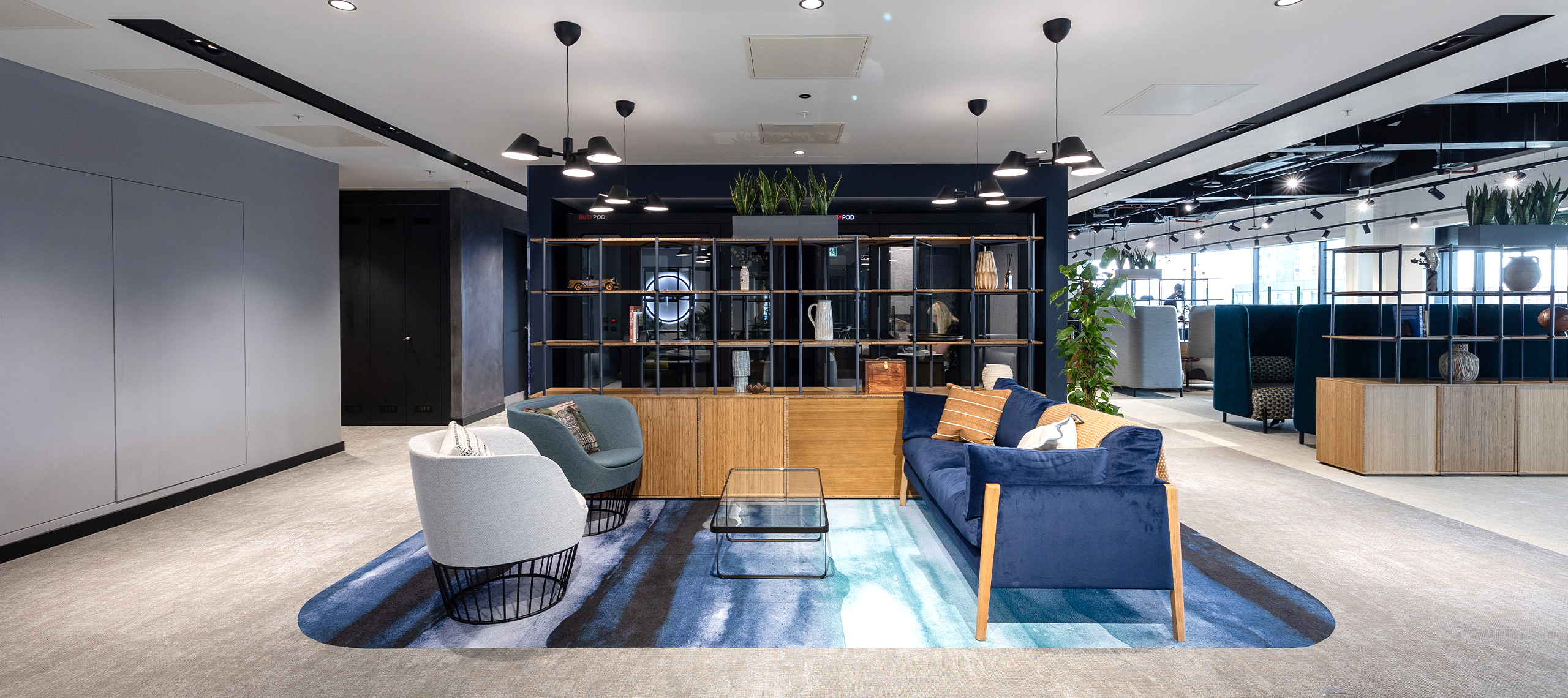
- Acoustic panelling and baffles to absorb and diffuse noise
- Phone pods and enclosed booths for confidential calls
- Specialist materials to reduce reverberation and spill
- Desk screens and spatial separation in open-plan areas
These strategies create quiet zones for deep work and confidential conversations – essential whether meetings are happening in person, virtually or hybrid. Learn more about office acoustic design here.

Layouts that enable discretion
Strategic modern law office design isn’t about plastering logos or recreating the now old-fashioned partner’s suites. It’s about making deliberate spatial choices that aligns with how legal work actually happens.
Key considerations include:
- Access-controlled zones for sensitive casework
- Secure client suites tucked away from high-traffic areas
- Private waiting areas to protect anonymity
- Visibility balance: senior leaders present on the floorplate, not isolated
“You still need hierarchy. But don’t lose what we gained during the pandemic – the sense of equality, of openness,” says Helen Hodgkinson, Chief People and Places Officer at TLT.
Case study: Osborne Clarke
When Osborne Clarke reimagined its 5-floor Bristol HQ, confidentiality and performance were priorities from day one.
The space features secure meeting rooms with advanced AV setups, zoned layouts for hybrid collaboration, and over 1,000 plants woven throughout to boost air quality and wellbeing. Acoustic strategies were integrated early, working directly with an acoustics consultant from day one. The office achieved WELL Building Standard certification, BREEAM ‘Excellent’, and has won a prestigious National Workplace Fit-out award – clear proof that design can reflect both care for people and long-term thinking.
Client experience and perception
Your office is often the first physical touchpoint for clients. It needs to convey professionalism and warmth in equal measure, whilst making clients of all backgrounds feel comfortable.
For many, coming into a legal office can be an incredibly stressful experience – divorce negotiations, complicated settlements or family law clients, so making the client experience comfortable and welcoming is key.
Modern client suites are moving away from stiff boardrooms towards hospitality-inspired spaces, designed for high-stakes negotiations, quick catchups, or hybrid video calls.
Consider:
- Calm, comfortable waiting areas with access to drinks or snacks
- Soft lighting and acoustic ceiling panels
- Branded spaces that feel subtle, not loud
- Seamless AV for hybrid interactions
- Smooth transitions from public to private zones
When combined with friendly faces in welcome areas, these touches build trust before a word is spoken.
Case study: VWV
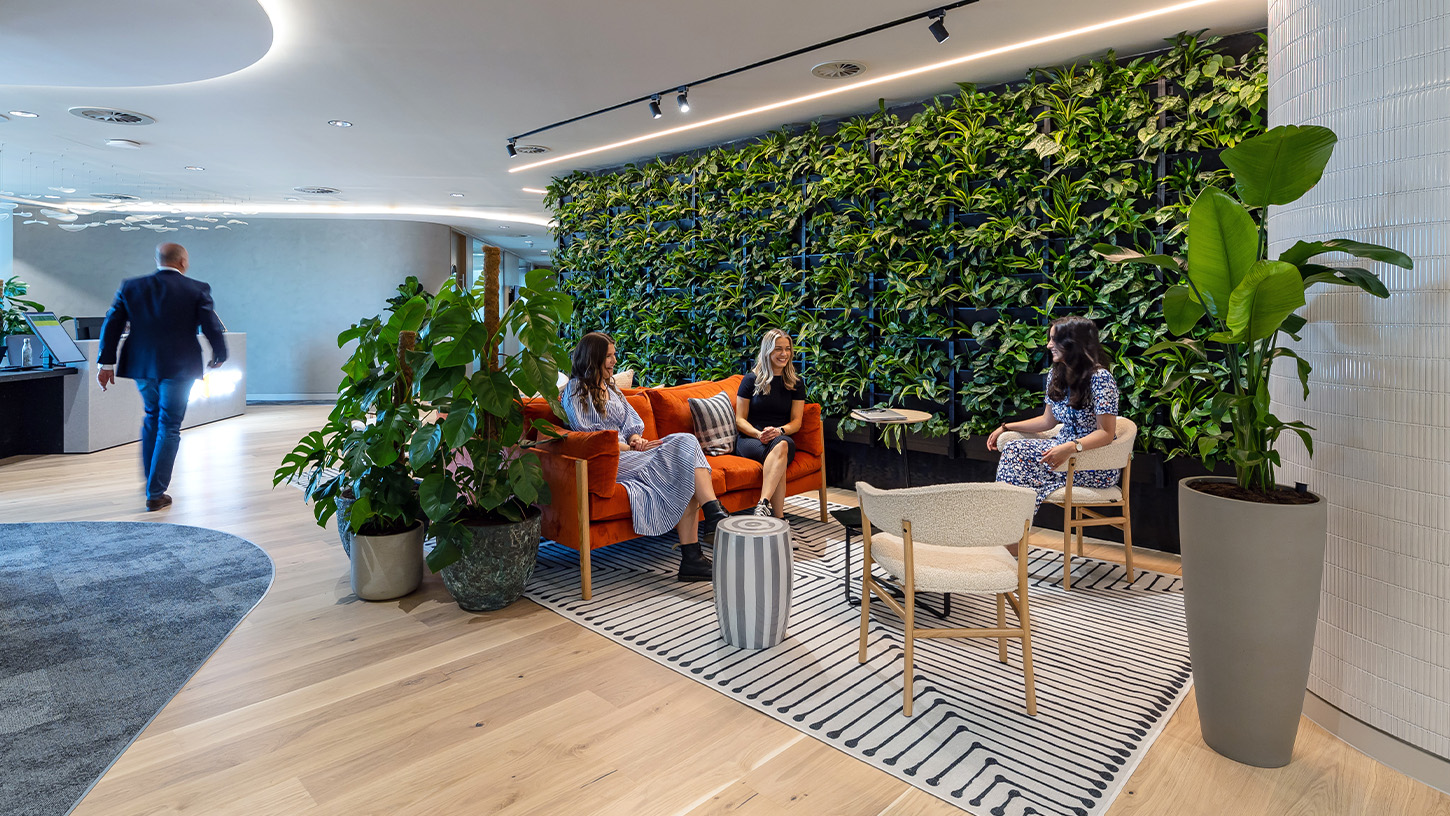
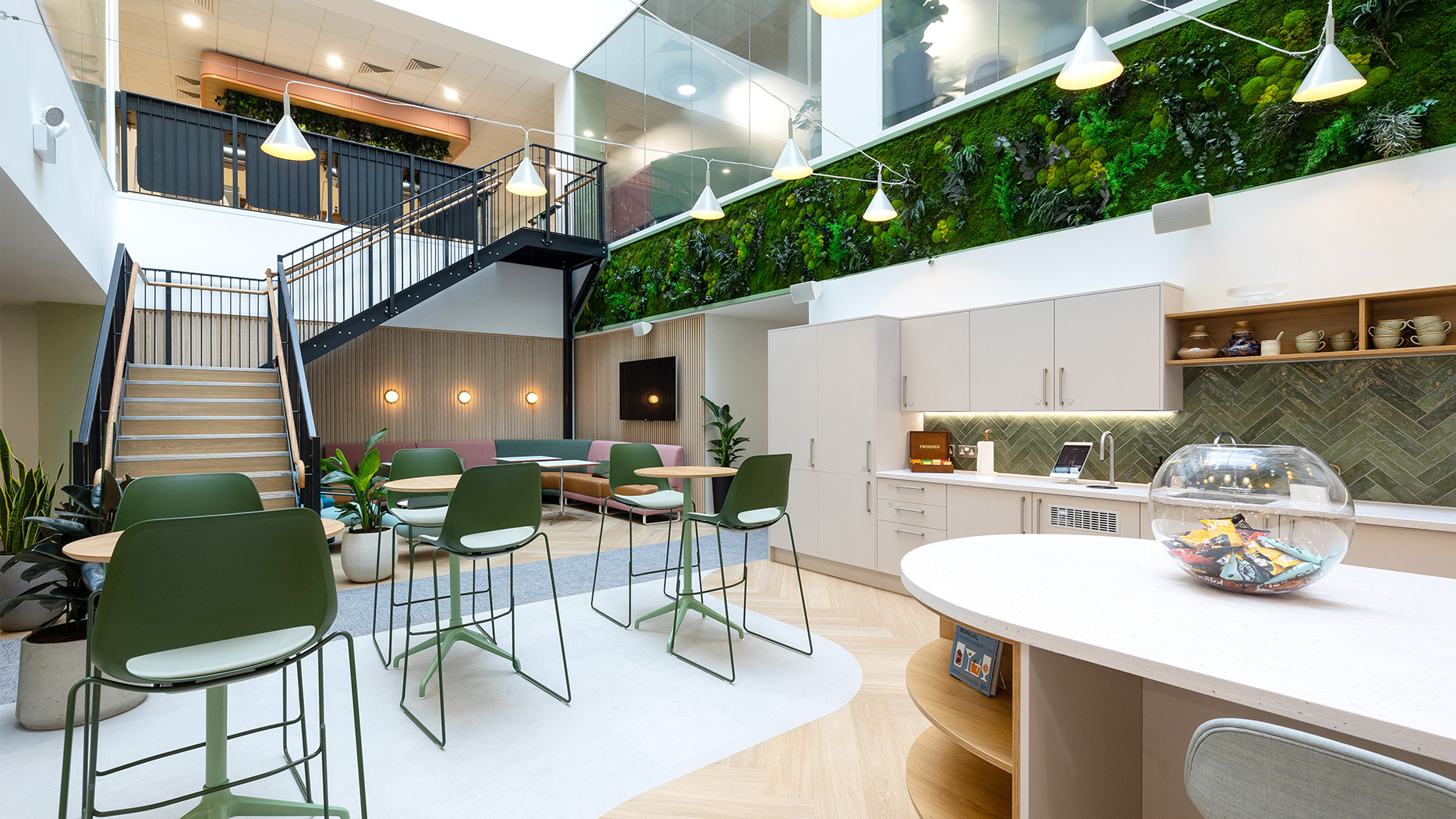
VWV’s Bristol office redesign focused on breaking down silos, both physically and culturally. A central staircase and atrium connected two previously separate floors, encouraging movement and collaboration – between employees of all levels and seniorities. The central atrium area, filled with planting and soft seating, acts as the main client welcome area, ensuring that any visitors instantly feel at ease in the space.
At the same time, Interaction designed enclosed rooms and quiet zones to protect confidential work. A clear example of how openness and discretion can coexist when carefully planned.
Discretion doesn’t mean compromise
Confidentiality can’t be an afterthought. It has to be embedded into your workplace strategy – from zoning and materials to cultural norms. Done right, it delivers:
- protected client conversations
- reduced noise and stress
- better concentration and wellbeing
- environments that support both privacy and presence
Design isn’t just decoration – it’s a strategic asset that builds trust and supports performance.
Final thoughts
Confidentiality has always been the cornerstone of legal work. Today, it should be reflected not only in policies, but in the very fabric of your office.
Whether refreshing a reception, creating a client suite, or planning a full relocation, thinking strategically about layout, acoustics, and discretion pays off – for your people, your clients, and your reputation.
Ready to futureproof your legal office?
Talk to us today about designing a workspace that protects confidentiality, attracts top talent, and reflects your firm’s purpose.